Welcome
About My Baking Habits

Most baking recipes work for the person who wrote them. They were tested in one kitchen, on one oven, with one brand of flour — and published with the assumption that your kitchen runs the same way. It usually does not.
That is the problem this blog exists to solve.
MyBakingHabits.com is a recipe site for home bakers who have followed instructions exactly and still gotten it wrong. Every recipe here is tested until I understand not just how to make it work, but where it fails and why. Then I write that into the article — the science behind the technique, the warning signs before something goes sideways, the one specific detail that most recipes leave out.
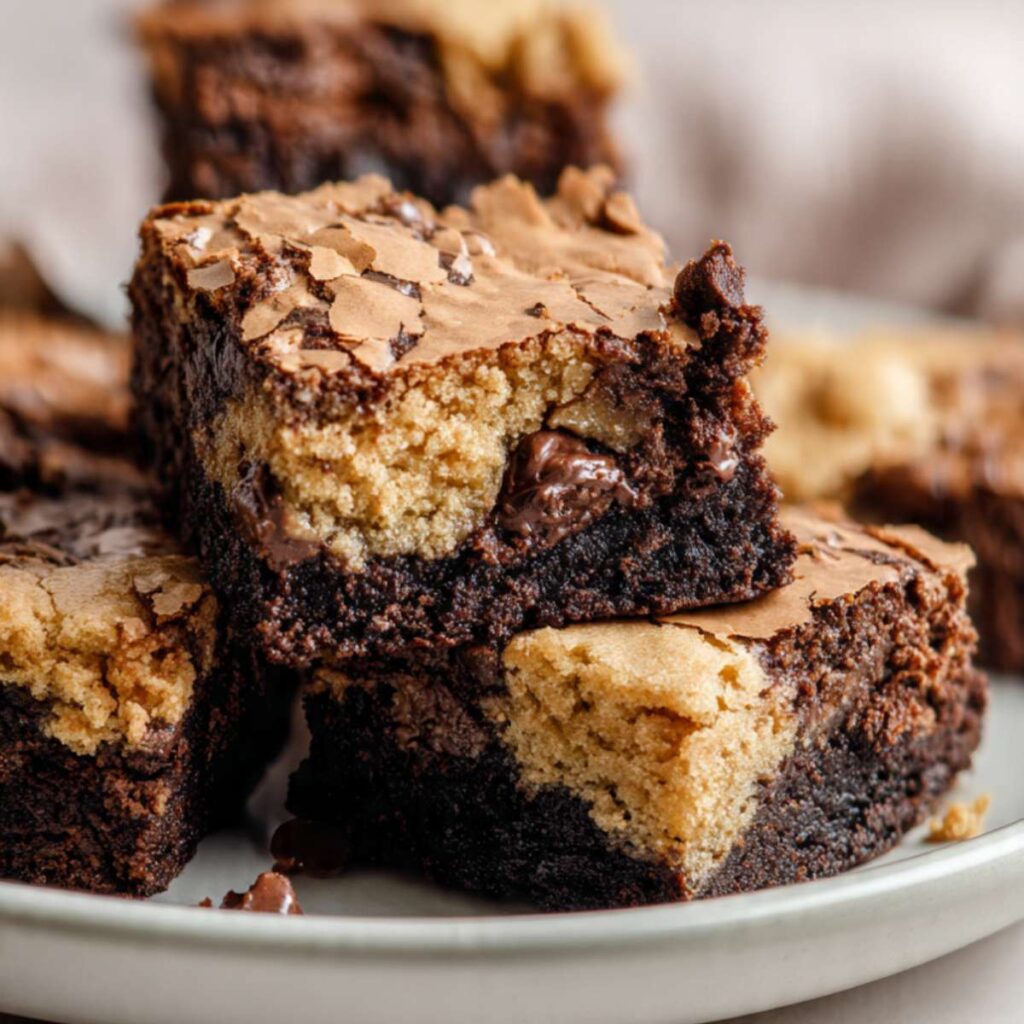
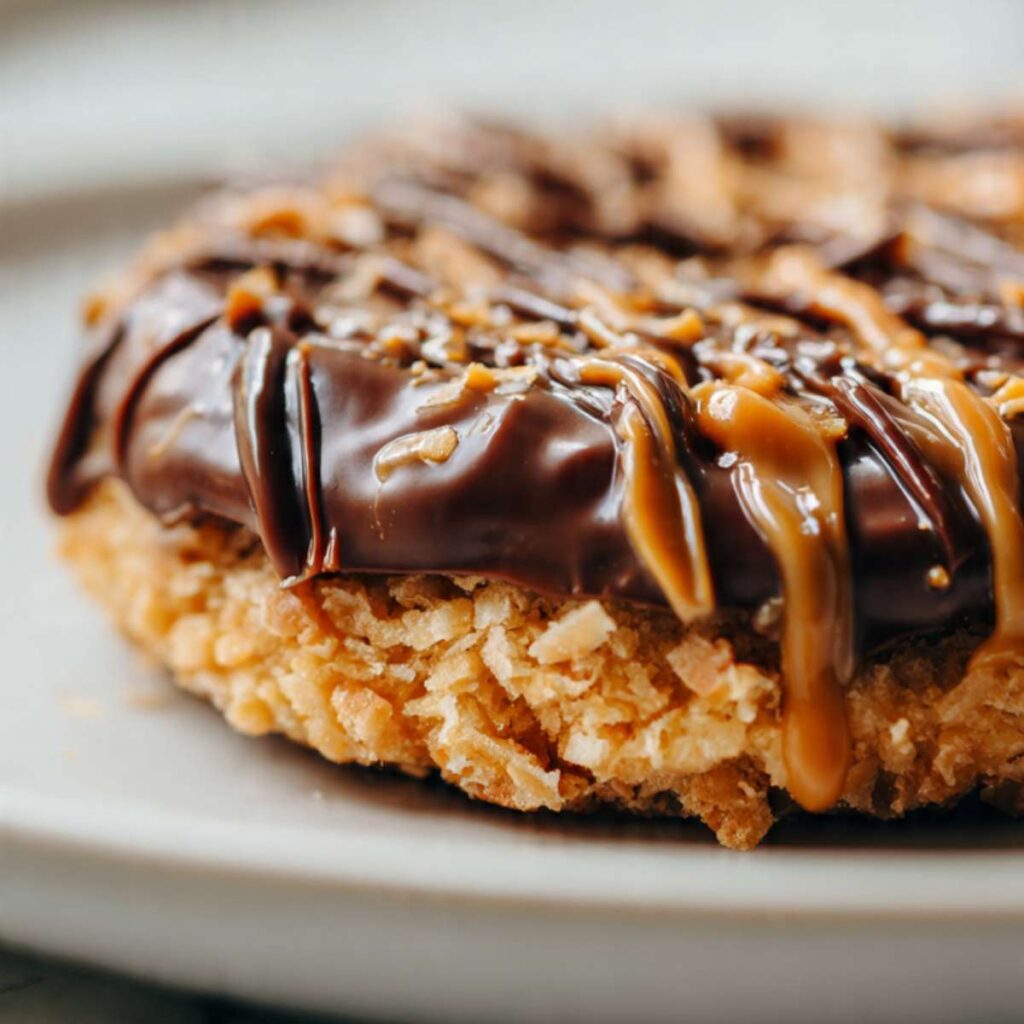
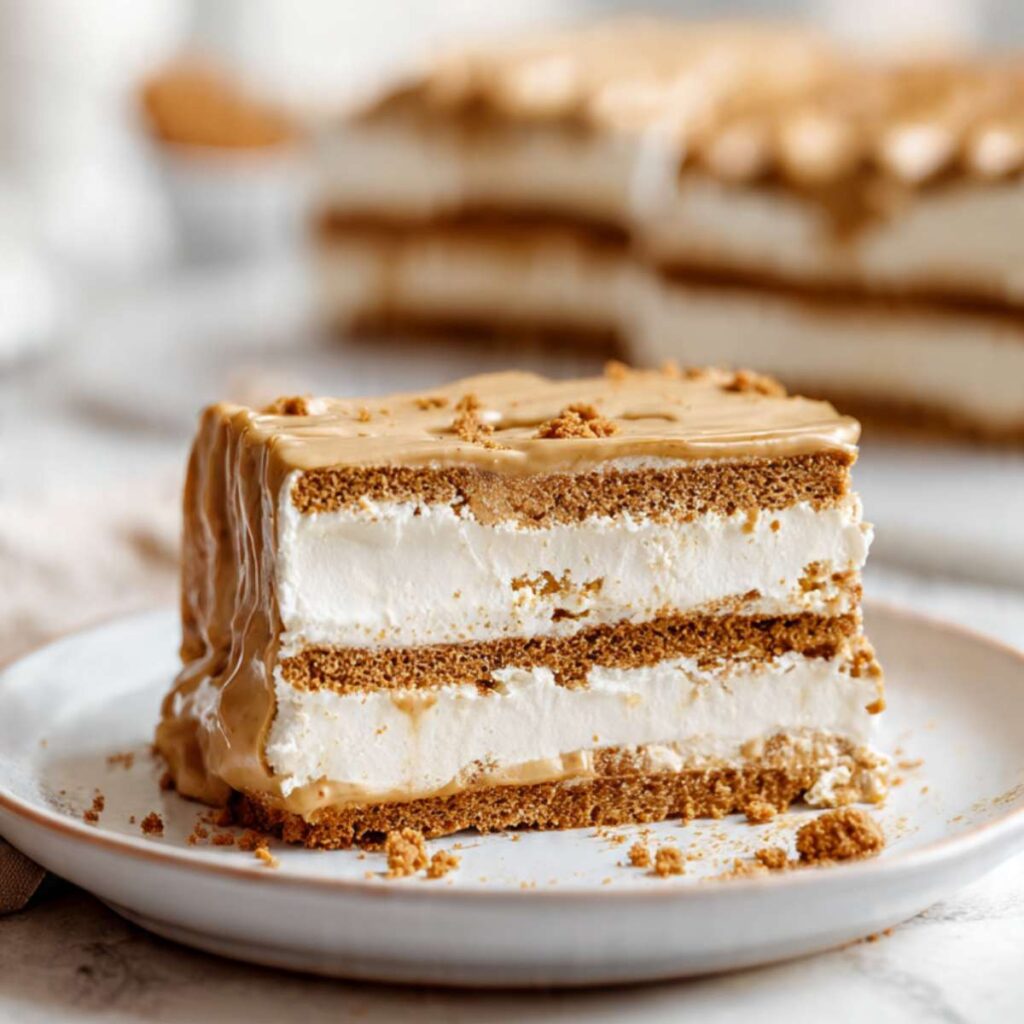
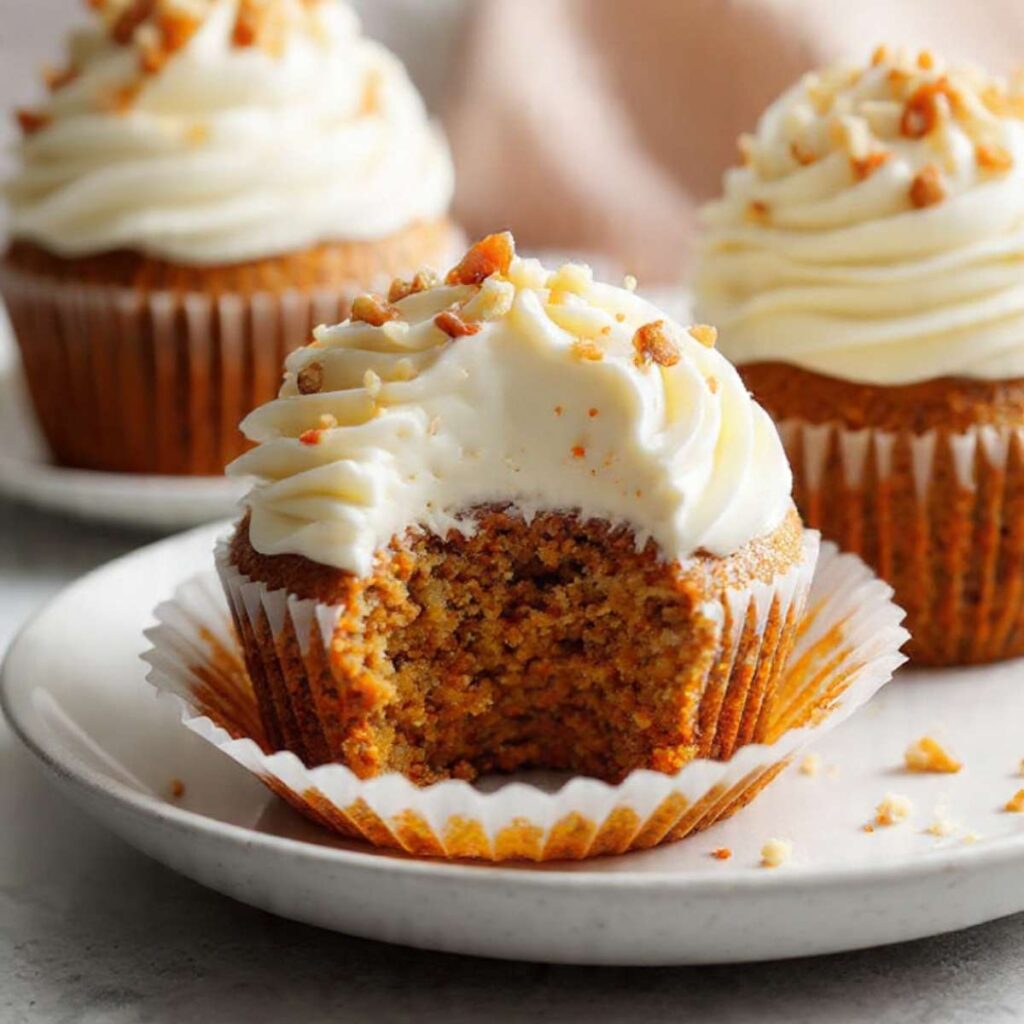
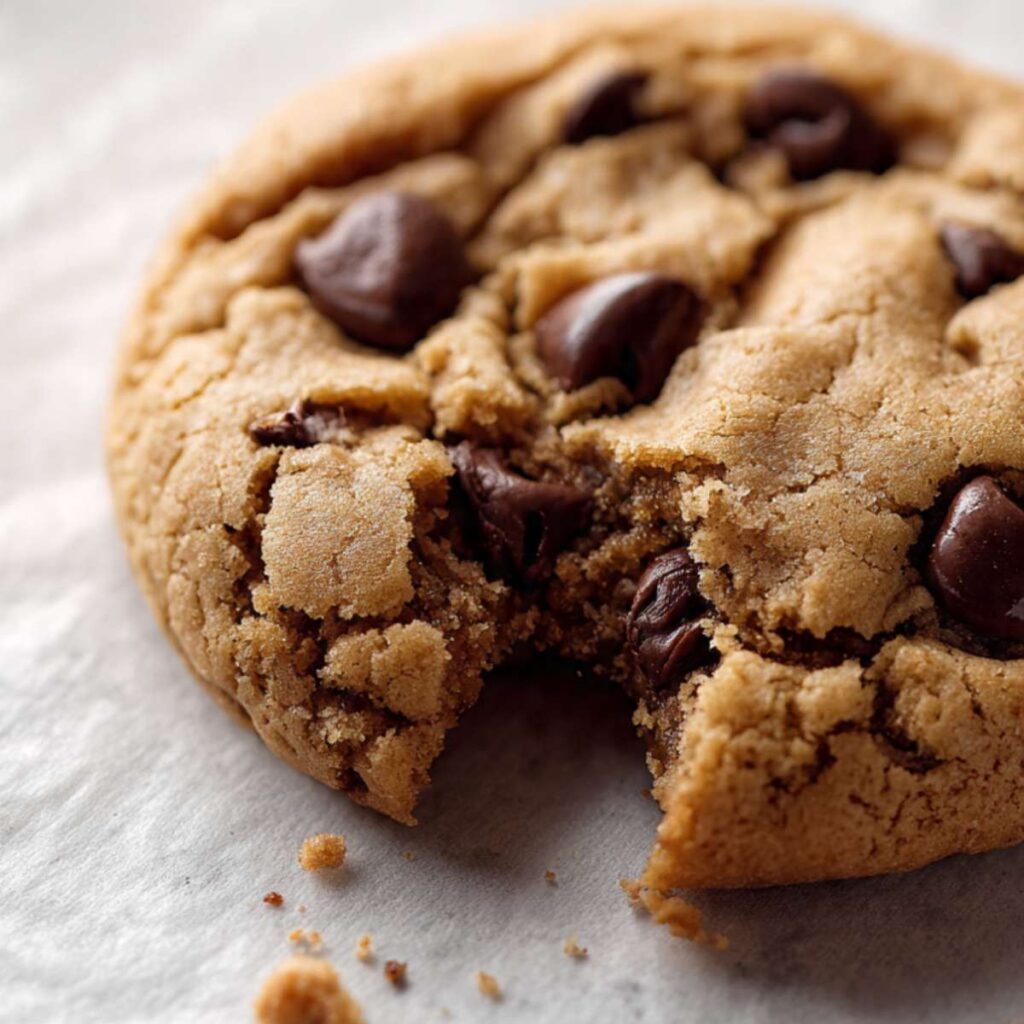
The scope is the full range of home baking: cookies, brownies, bars, cakes, cupcakes, muffins, and everything in between. What stays constant across all of it is the standard — a reader who follows the instructions correctly should get the result shown in the photos. Every time.
What Makes a Recipe Actually Reliable
A reliable recipe is not one that works when everything goes right. It is one that tells you what to watch for when things start going wrong.
The temperature of your butter determines whether your cookies spread or hold their shape. The weight of your flour — not the volume — determines whether your cake is tender or dense. The moment you pull something from the oven matters, because baked goods keep cooking after they leave the heat, and most recipes do not account for that.
These are not advanced concepts. They are the specific details that separate a recipe that works from one that does not — and they are exactly what most recipes omit.
Every article on this blog is built around those details. Not to make baking feel complicated, but because understanding why a step exists is the only thing that makes it stick.
About Luna Hossain
I am not a professionally trained baker. I never went to culinary school. I did not grow up measuring flour in an American kitchen.
I grew up in Chattogram, Bangladesh, in a house where my mother and grandmother made mishti doi and pitha entirely from memory. No written recipes. No measuring cups. Just hands that had made the same things so many times they no longer needed to think. I spent my childhood in that kitchen watching them — absorbing the logic of texture and heat before I had any language for it.
I moved to Los Angeles when I was fifteen. The sweets I knew were suddenly unreachable, and American baking was completely unfamiliar — not just in flavor but in logic. Creaming butter. Blind baking. Why did some recipes call for bread flour and others for cake flour when they looked the same in the bag? I had no one to ask. So I started baking and started failing.
Cookies that spread into flat discs. Brownies that were simultaneously greasy and dry. Cupcakes that rose into peaks and collapsed the moment they hit cool air. Every time something went wrong, I wrote down exactly what I had done. Then I tried again.
By the time I was eighteen, I understood why baked goods behave the way they do. Not because I had natural talent — because I had failed enough times to see the pattern underneath every mistake.
How I Learned to Bake by Understanding, Not by Following
My mother never measured anything in her life. She knew by the smell of reducing milk when it was close. She knew by the feel of a dough when it needed more water. She taught me — without ever intending to — that cooking is about understanding what is happening, not executing a list of steps.
That instinct is what I carried into Western baking when I was fifteen with no reference point and no one to ask. I could not rely on familiarity. I had to build the understanding from scratch. I had to know why the steps were what they were.
That is still how I approach every recipe on this blog. Not what the instructions are — but why they are what they are, and what happens when you deviate from them.
My Kitchen
I bake out of a home kitchen in Los Angeles. Electric oven — one that runs about 15°F hot, which I confirmed with an oven thermometer after months of wondering why my cookies kept over-browning on the bottom. KitchenAid stand mixer. Nordic Ware half-sheet pans. A kitchen scale I use for every single recipe, because volume measurements are not consistent enough to build reliable results on.
Los Angeles baking has its quirks. Low humidity — usually between 30 and 50% relative humidity — means cookies rarely spread unexpectedly and meringues behave reliably in ways they do not in humid climates. Warm year-round temperatures mean butter reaches the right softness in about 45 minutes, not 90. When summer temperatures push past 90°F, chocolate can seize near the stovetop and dough needs to stay refrigerated between rolls.
I write these things into my recipes because your environment affects your results. Most recipes pretend it does not.
What You Will Find Here
Cookies, brownies, bars, cakes, cupcakes, muffins and more — the full range of American home baking, written by someone who learned all of it from scratch and remembers clearly what the instructions failed to explain.
Every recipe comes with the science behind the technique, the troubleshooting for the most common failures, and the specific detail that most recipes omit. If you have ever followed a recipe correctly and still gotten it wrong, this blog is built for exactly that experience.
Browse My Recipes